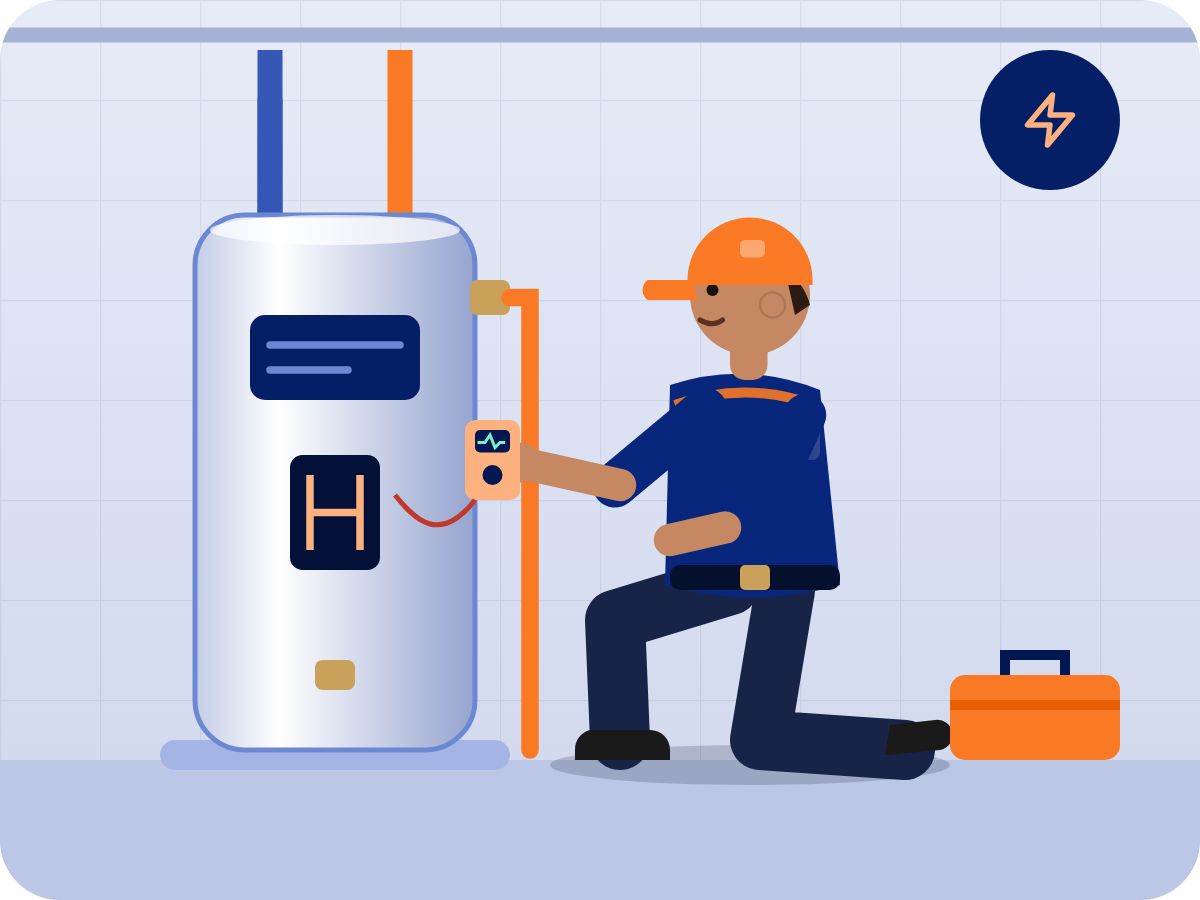
What is electric water heater troubleshooting?
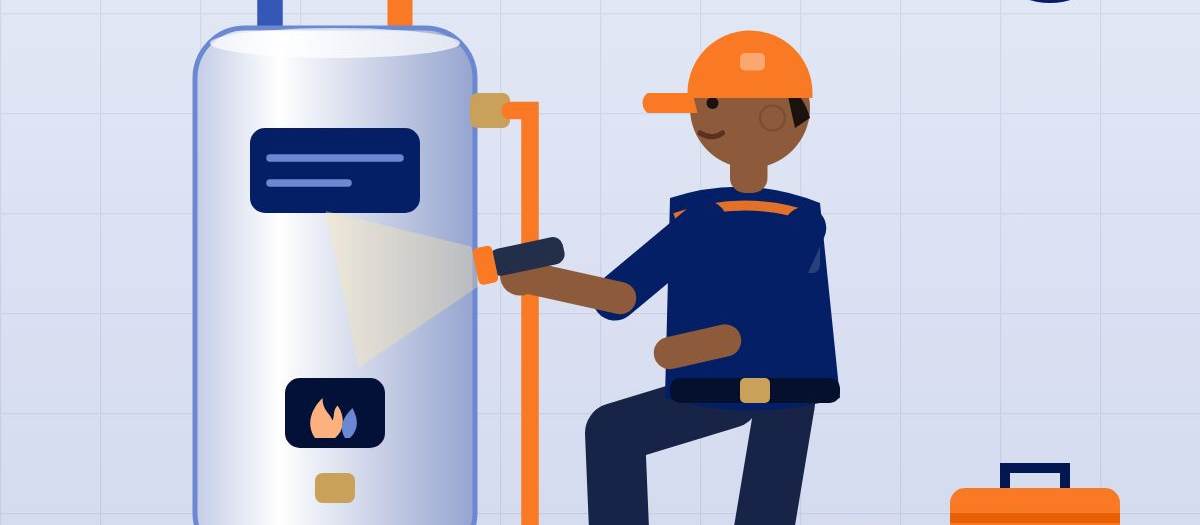
An electric water heater uses two heating elements, one near the top of the tank and one near the bottom. Each has its own thermostat, and a high-limit switch cuts power if the water ever gets dangerously hot. When any of these parts fails, the heater runs lukewarm, runs out quickly or stops heating altogether.
Troubleshooting means testing those parts in a logical order with proper meters until the failed component is found. Because the elements run on 240 volts, it is a job for a trained technician, not guesswork.
Electric heaters are common across Indiana in homes without gas service, in condos and apartments, and as heat pump hybrids in newer builds. They have no burner, flue or pilot, which makes them simple, but it also means every heating problem comes down to power, elements and controls.
How an electric water heater heats
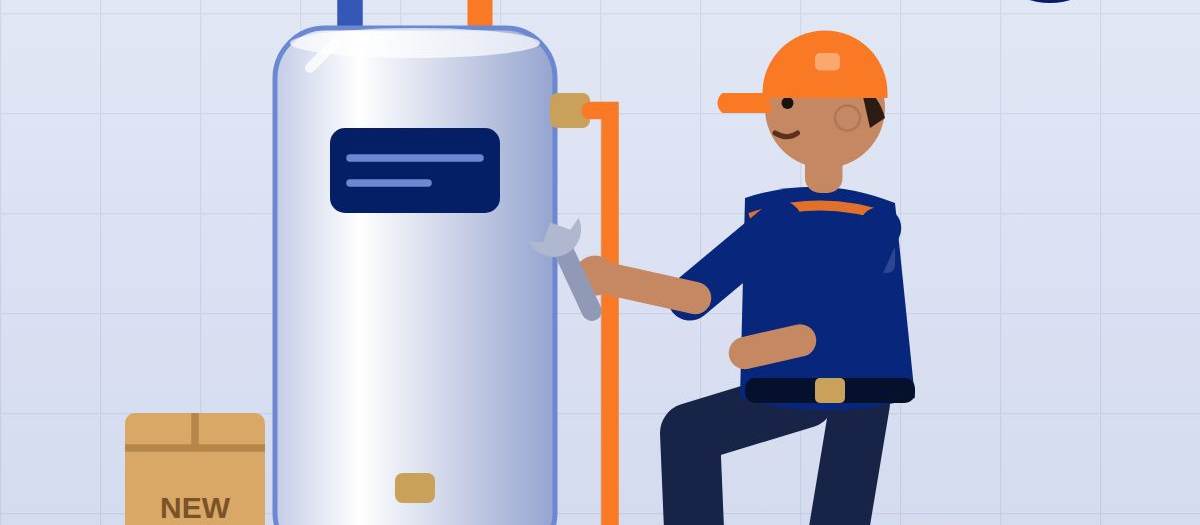
The two elements do not usually run at the same time. The upper thermostat takes priority: it heats the top of the tank first, then hands power to the lower element to heat the rest. That sequence explains the symptoms people notice.
If the upper element or thermostat fails
The handoff never happens properly, and there is little or no hot water at all.
If the lower element or thermostat fails
The top of the tank heats, so you get some hot water, but it runs out much faster than it used to.
If the high-limit switch trips
Power is cut to both elements. The red reset button behind the upper access panel has popped, usually because a thermostat stuck on or an element shorted. Resetting it without finding the cause usually means it trips again.
8 signs your electric water heater needs troubleshooting
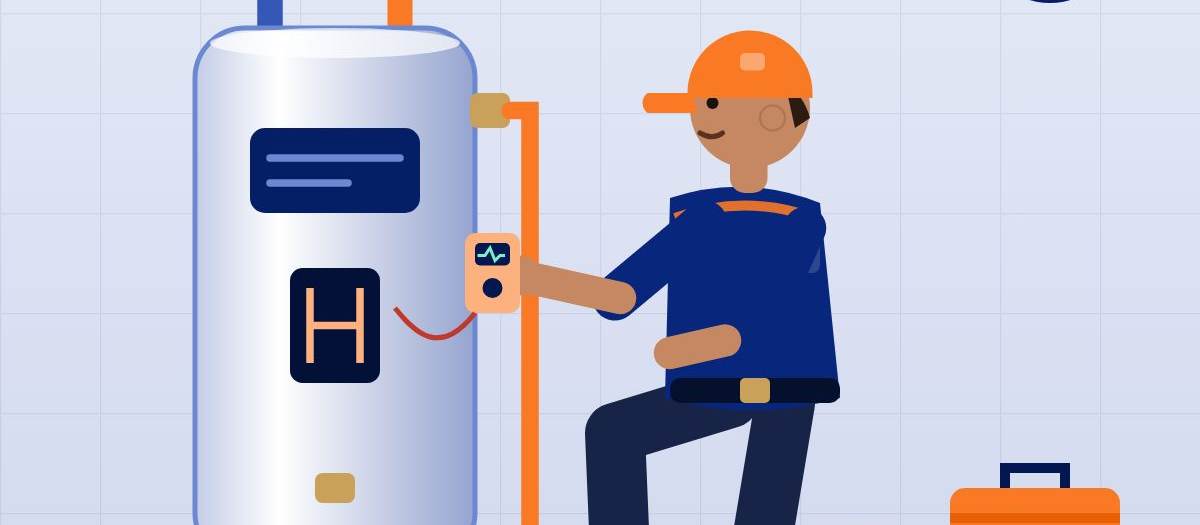
These symptoms almost always trace to an electrical part.
- No hot water at all. Often the upper element, upper thermostat or high-limit switch.
- Hot water runs out quickly. A classic sign of a failed lower element.
- Lukewarm water only. A thermostat may be failing or set too low.
- The breaker keeps tripping. A shorted element or wiring fault is drawing too much current.
- The reset button keeps popping. Something is overheating; it needs diagnosis.
- Water that is far too hot. A thermostat may be stuck on, which is a safety concern.
- A burning smell near the heater. Turn off the breaker and call.
- Hissing or popping while heating. Scale on the elements is boiling water in small bursts.
Why do electric water heater parts fail?
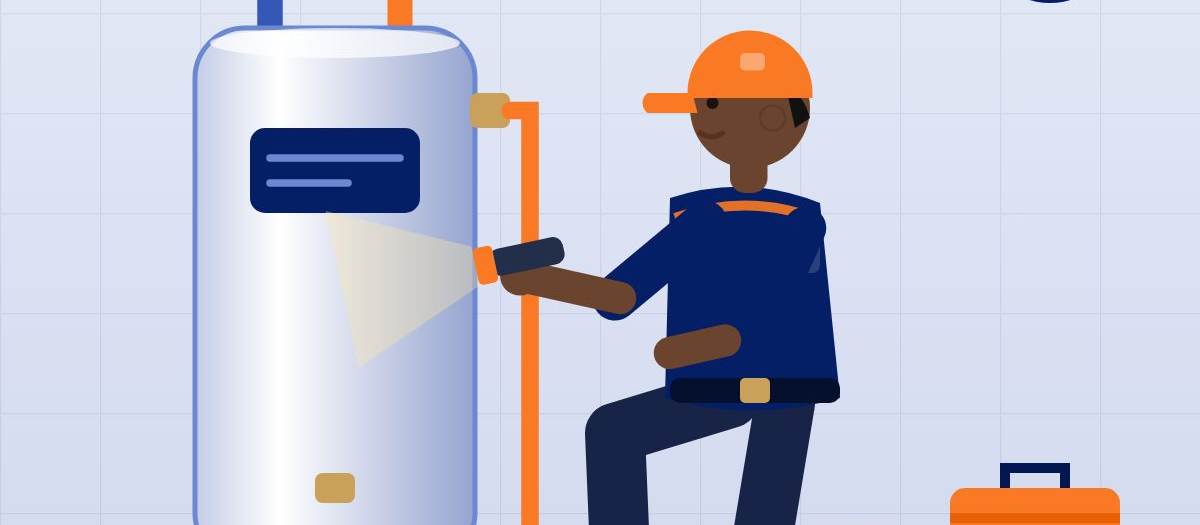
- Scale buildup. Hard water coats elements with minerals, so they run hotter and burn out sooner. This is very common in Indiana.
- Dry firing. An element powered on without water around it fails within seconds, which often happens after a tank is drained and refilled carelessly.
- Loose connections. Heat cycles loosen terminal screws, causing arcing and scorched wires.
- Sediment. A thick layer can bury the lower element.
- Age. Thermostats and elements simply wear out over years of cycling.
Regular flushing and maintenance slows scale and sediment, which protects the elements.
Safe checks before you call
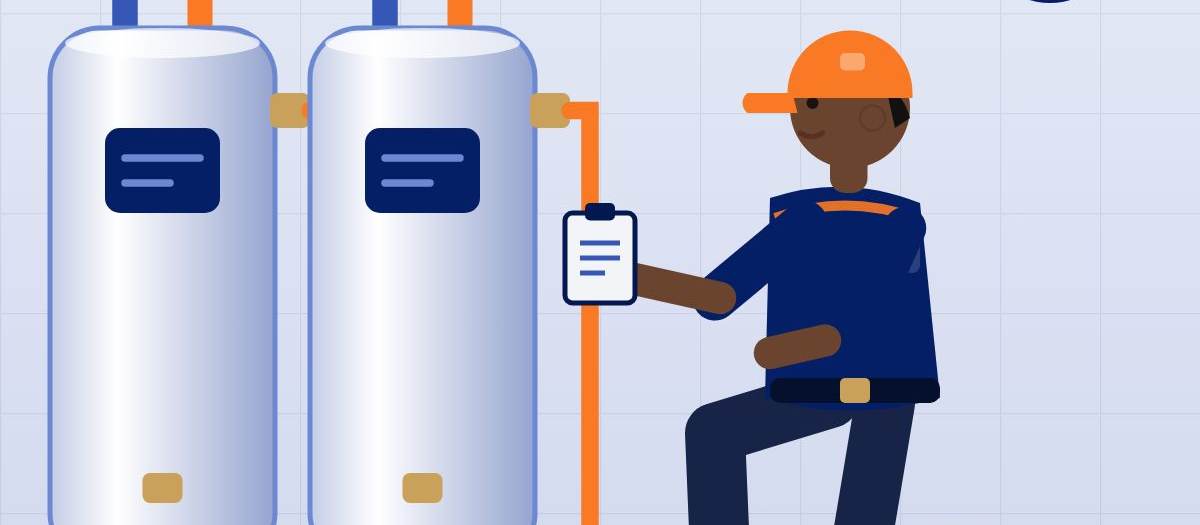
Stay outside the access panels; they expose live 240-volt terminals.
- Check the breaker. If it has tripped, you can reset it once. If it trips again, leave it off.
- Note the symptom. No hot water, short hot water and too-hot water each point to different parts.
- Give it time. After heavy use, an electric tank needs time to recover.
- Check other circuits. If other appliances are out too, the issue may be the panel or service.
- Smell and listen. A burning smell means power off and call right away.
Do not open the access panels. The thermostats and elements behind them are connected to 240 volts even when the heater seems off.
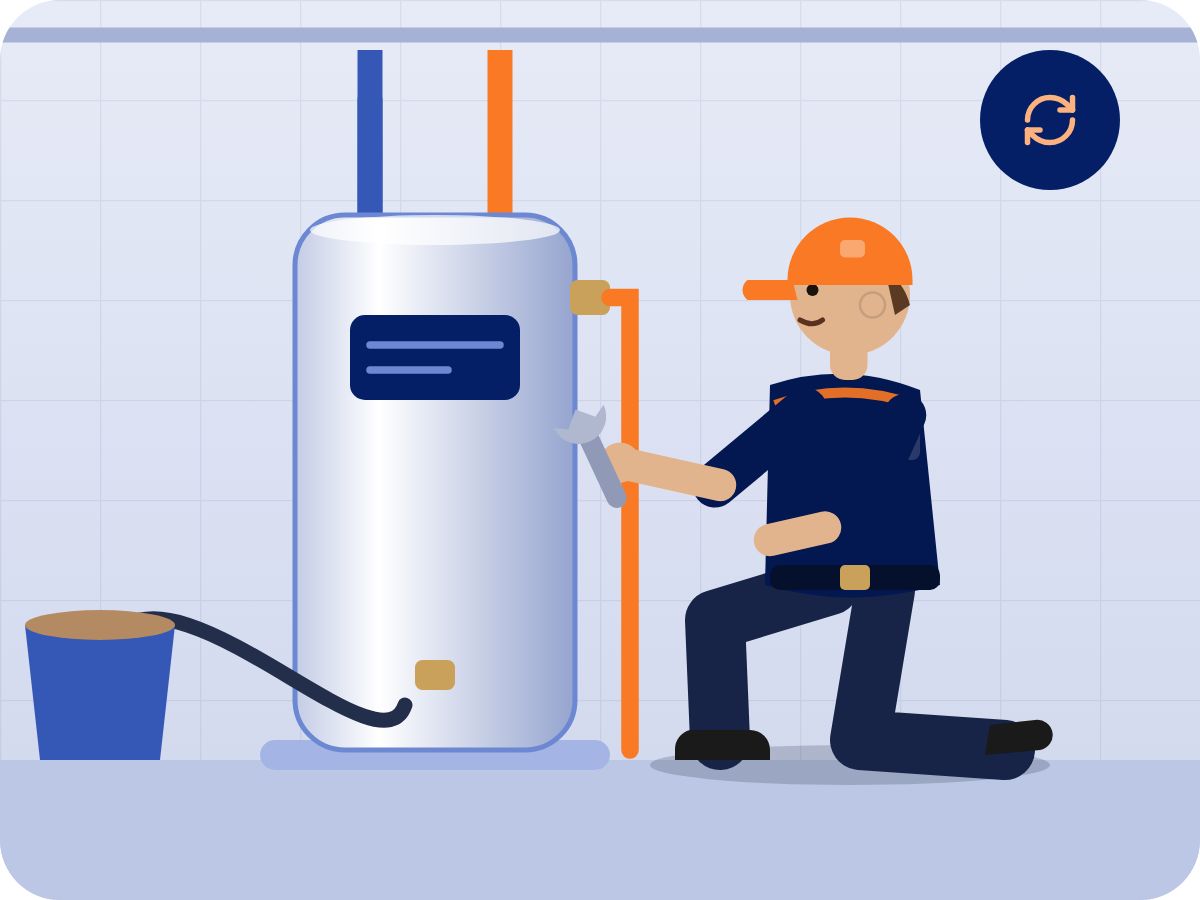
Turn power off before draining. If a technician ever asks you to drain the tank, the breaker must be off first to protect the elements.
What happens during an electric troubleshooting visit?
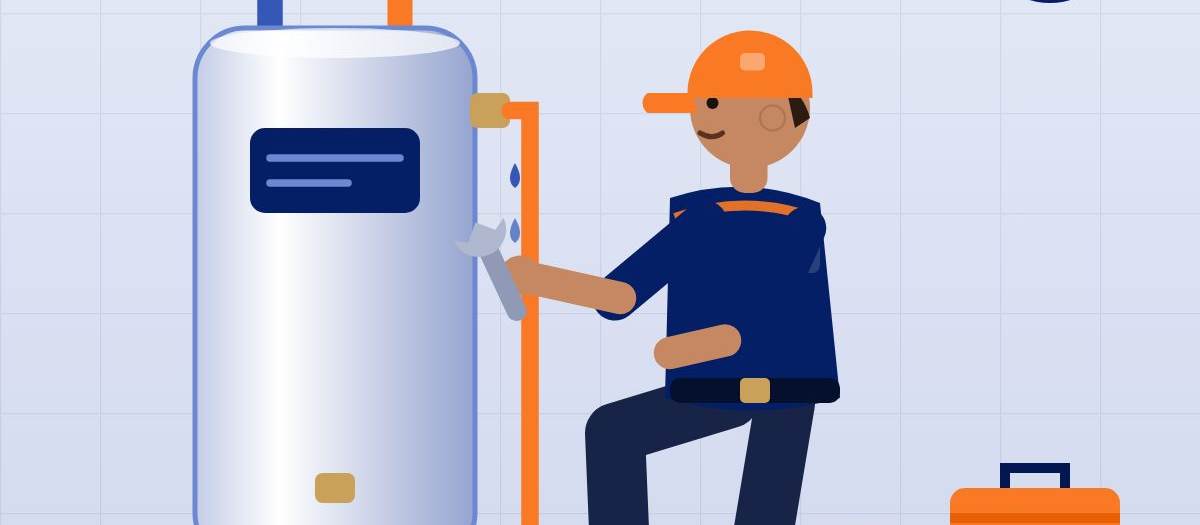
A typical visit follows this order.
- Power check. Voltage at the heater and the breaker are verified.
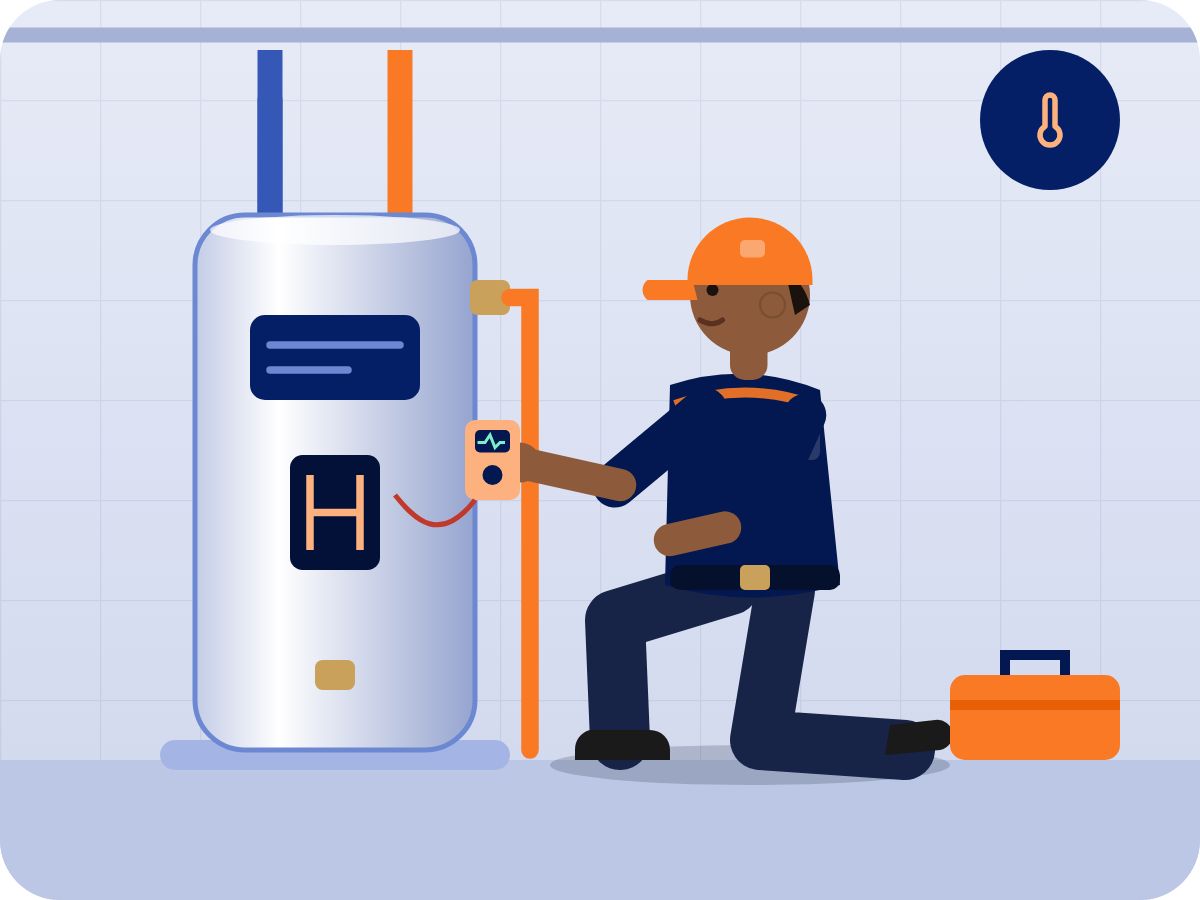
- Element testing. Each element is tested for resistance and shorts to ground.
- Thermostat testing. Both thermostats and the high-limit switch are checked.
- Quote and repair. Failed parts are replaced, usually with the tank partly drained for element work.
- Refill before power. The tank is filled completely before the breaker goes back on, then tested through a full cycle.
If testing shows the heater is fine but still cannot keep up, our guide to no hot water repair covers dip tubes and sizing.
Getting more from an electric water heater
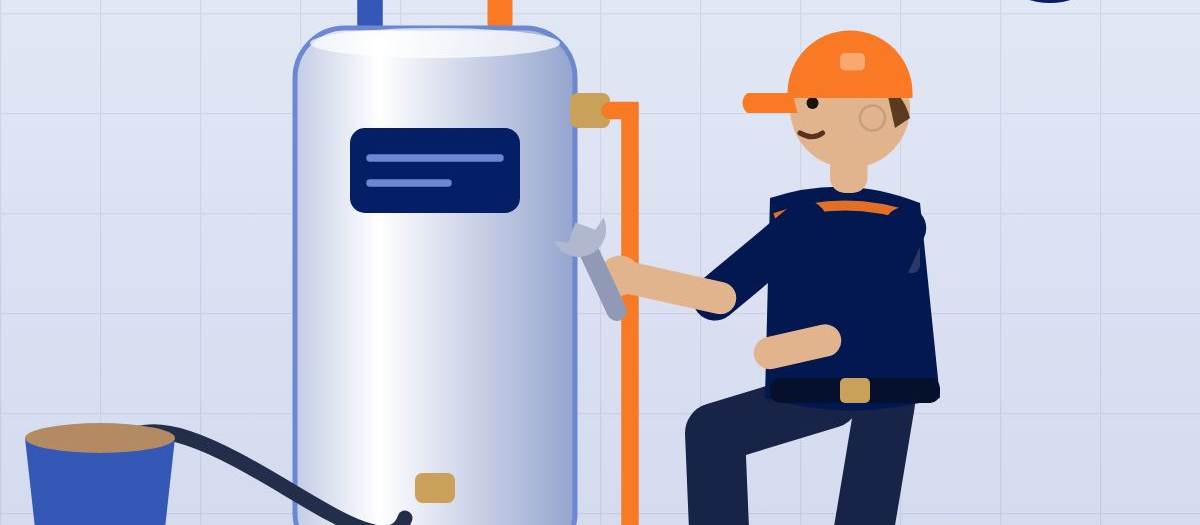
Electric resistance heating is simple and reliable, but it can be expensive to run if the heater is working harder than it needs to. A few habits keep running costs and repair calls down.
- Set a sensible temperature. Around 120°F suits most households and reduces scale on the elements.
- Insulate exposed hot pipes. Less heat lost on the way to the tap means shorter run times.
- Use vacation mode or the breaker when away. Refill and confirm the tank is full before turning power back on.
- Flush once a year. Less sediment means the lower element stays uncovered and efficient.
- Check the anode rod. A healthy anode protects the tank the elements sit in; see tank water heater repair for more.
If your electric bill has climbed with no change in use, a failing element or thermostat that runs constantly may be to blame.
What affects the cost of electric water heater repairs?
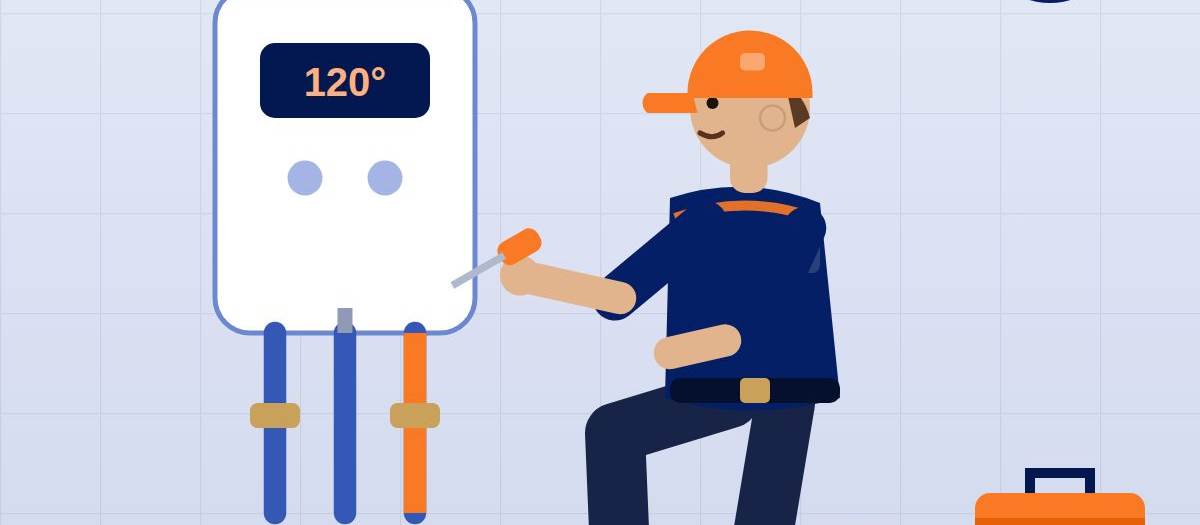
| Factor | How it affects the price |
|---|---|
| Part replaced | Elements and thermostats are usually modest; control boards on hybrids cost more. |
| Number of parts | Failed elements often take a thermostat with them. |
| Draining time | Element work needs the tank partly drained. |
| Wiring repairs | Scorched wires or terminals add time and materials. |
| Heat pump models | Hybrid units have fans, compressors and sensors that use different parts. |
What about heat pump (hybrid) water heaters?
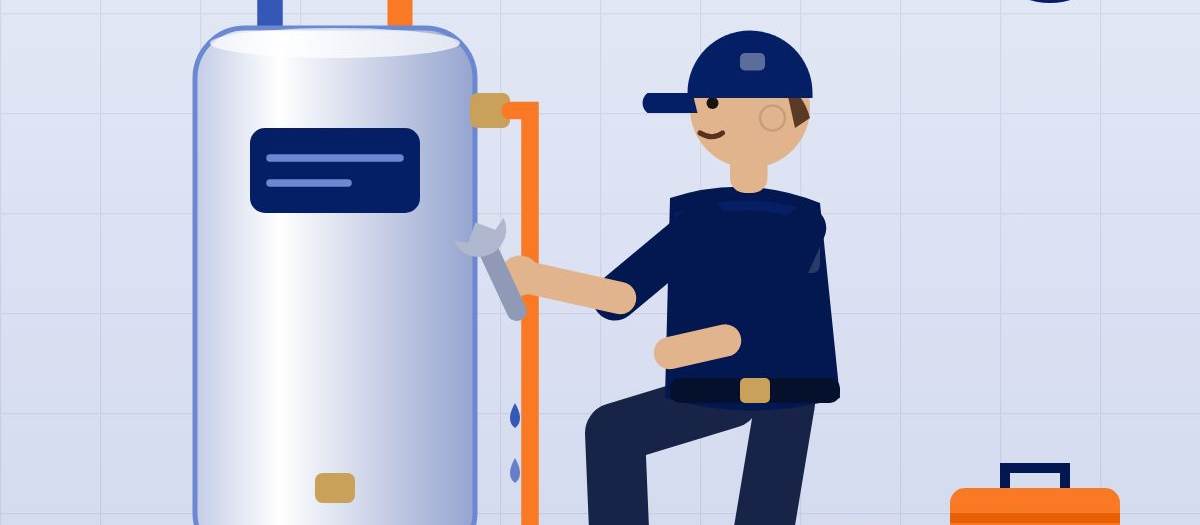
Heat pump water heaters are electric tanks with a small heat pump on top that pulls warmth from the surrounding air. They still have backup elements, so the same element and thermostat problems can occur, plus issues with fans, filters, condensate drains and control boards.
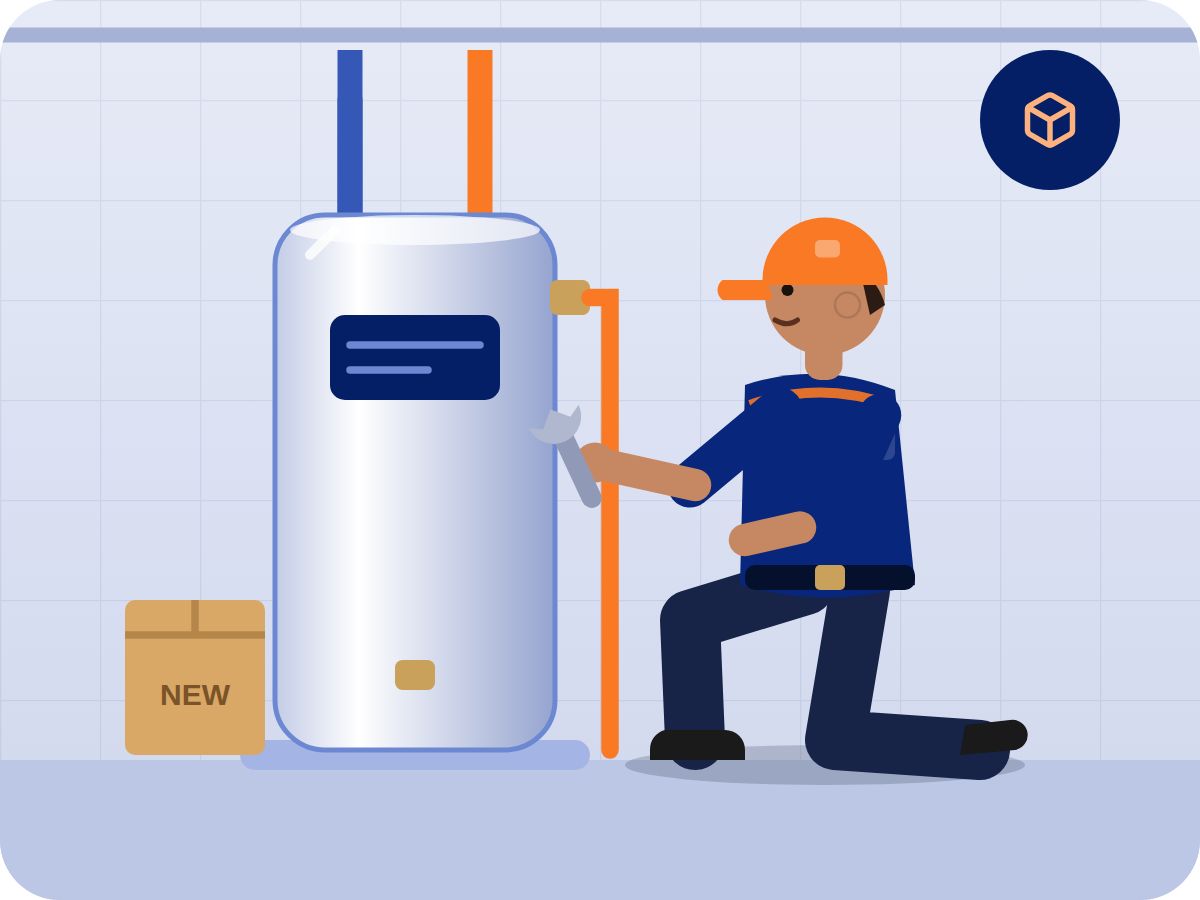
Many hybrids display error codes that help narrow down the fault. Keeping the air filter clean and the condensate line clear prevents a lot of service calls. If your hybrid is aging and needs major parts, compare the cost with options on our replacement and installation page.
Electric water heater questions
Why does my electric water heater keep tripping the breaker?
A shorted heating element or a wiring fault is the usual cause. Leave the breaker off after a second trip and have the heater tested.
What does the red reset button on my water heater do?
It is the high-limit switch. It cuts power if water gets too hot. If it keeps tripping, a thermostat or element is likely failing.
How long do water heater elements last?
It varies widely with water hardness and use. Hard water and sediment shorten element life considerably.
Why is my hot water running out so fast?
On an electric heater, the lower element has most likely failed, leaving only the top of the tank heated.
Can I replace a water heater element myself?
It involves 240-volt wiring and draining the tank, so it is best left to a trained technician.
Is an electric water heater cheaper to repair than gas?
Common electric parts are often inexpensive, but costs depend on the specific failure and the heater's age.