What does no hot water repair involve?
No hot water repair is about finding why a water heater has stopped heating, or is not heating enough, and fixing the part responsible. Nothing is leaking here. The water flows, it just comes out cold, lukewarm or runs cold after a few minutes.
The fix depends heavily on how the heater is powered. A gas unit relies on a pilot or igniter, a burner and a gas control. An electric unit relies on two heating elements and two thermostats. A tankless unit relies on sensors, a heat exchanger and enough water flow to switch on. The same complaint, "no hot water", can come from any of them.
That is why a good repair starts with questions, not parts. Most no-heat problems are fixed in one visit once the right cause is found.
How do technicians find the cause?
Diagnosis moves from the simplest explanation to the most involved, so you are not paying for parts you do not need.
Reading the symptom pattern
No hot water anywhere, lukewarm water everywhere, and hot water that runs out quickly each point in a different direction. Hot water at some taps but not others usually means the heater is fine and the problem is a fixture or mixing valve.
Checking the energy supply
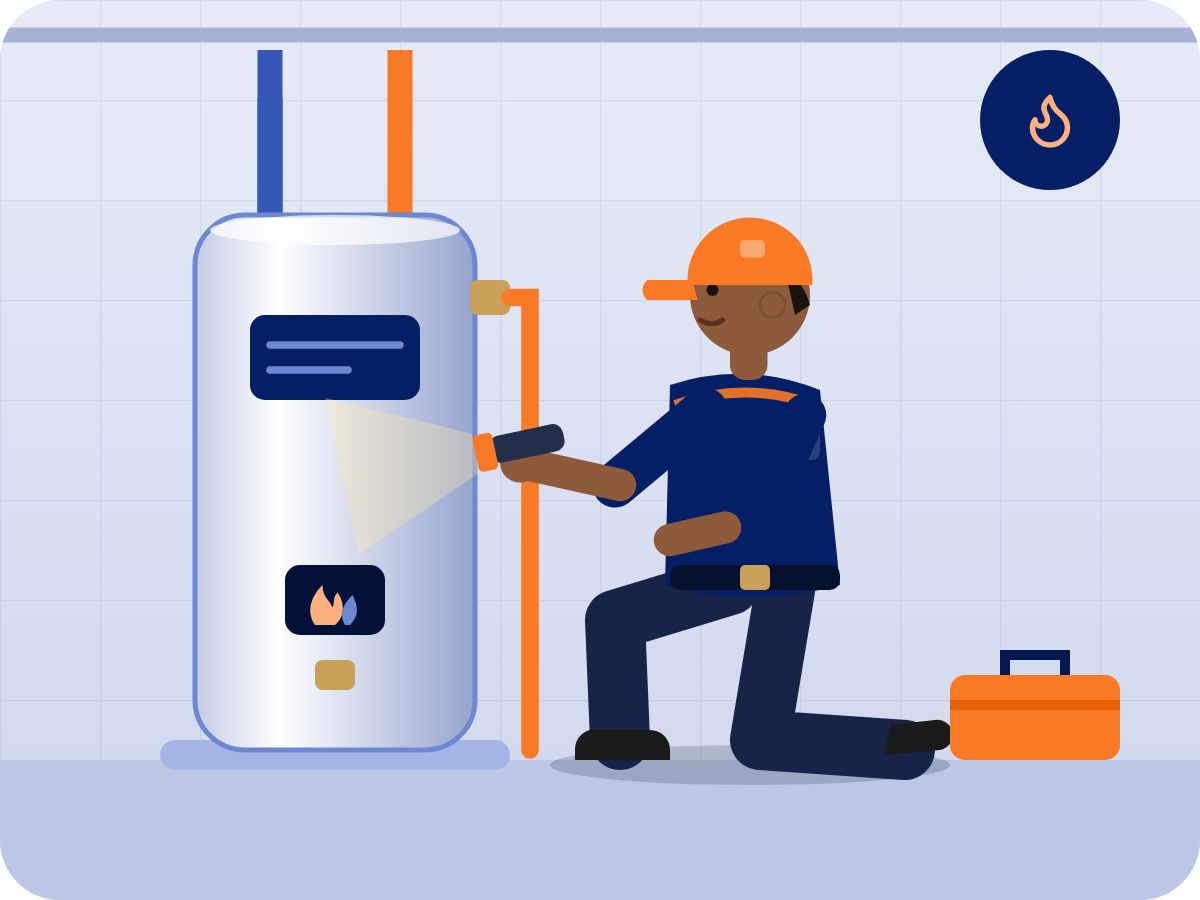
For electric heaters that means the breaker and the voltage reaching the unit. For gas heaters it means the gas supply, the pilot or igniter and whether the burner lights when called for. A tripped breaker or a pilot blown out by a draft is a quick fix, but the technician will also look for why it happened.
Testing the heating parts
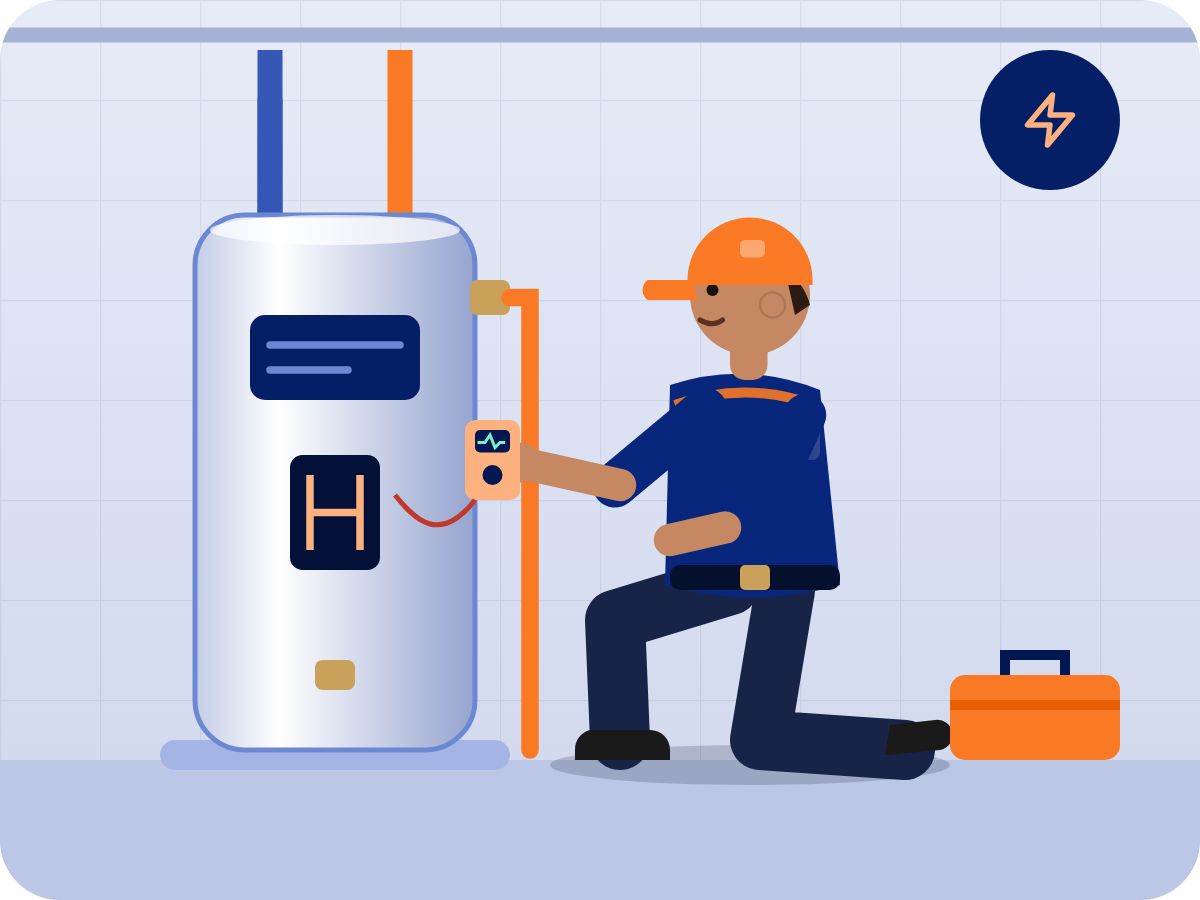
Elements and thermostats on electric units are tested with a meter. On gas units, the thermocouple or flame sensor, the burner and the gas control are checked. Detailed repairs for each type are on our gas water heater repair and electric water heater troubleshooting pages.
Looking at what is happening inside the tank
A broken dip tube lets cold water mix straight into the hot outlet. A thick sediment layer slows heating. And sometimes the heater works perfectly but is simply too small for the household.
8 signs your water heater is not heating properly
Heating problems often start small. Catching them early usually means a cheaper repair.
- No hot water at any tap. The heater is not producing heat at all, often a pilot, igniter, element or power issue.
- Lukewarm water that never gets hot. Common with a failed upper element or a thermostat set too low.
- Hot water runs out much faster than it used to. Often a failed lower element, a broken dip tube or heavy sediment.
- Water takes much longer to reheat. The heater is struggling to recover between uses.
- The pilot keeps going out. A gas heater that will not hold its flame needs a closer look.
- The breaker trips repeatedly. Something in the electrical circuit or the heater is drawing too much power.
- Rumbling or popping while heating. Sediment is coating the tank floor and blocking heat transfer.
- Temperature swings in the shower. Water goes from hot to cold without anyone touching the tap.
What causes a water heater to stop making hot water?
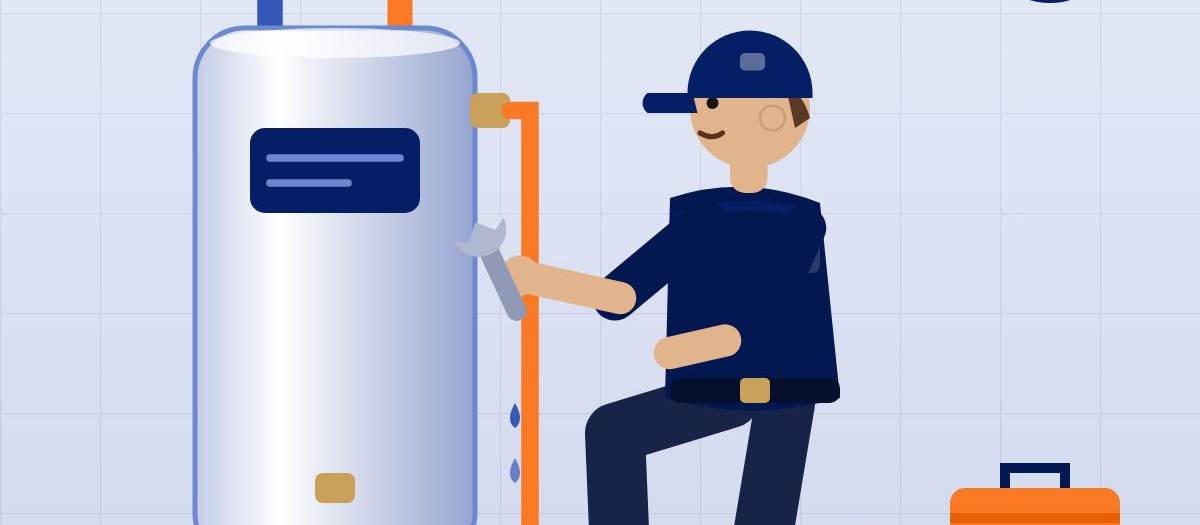
The usual suspects depend on the type of heater.
Gas tank heaters
- Pilot out or igniter failing. A dirty or worn thermocouple or flame sensor shuts the gas off as a safety measure.
- Gas supply problems. A closed valve or an issue upstream will stop the burner from lighting.
- Venting safety shutoff. Some units shut down when exhaust is not venting properly.
Electric tank heaters
- Tripped breaker or high-limit switch. Both cut power to protect the heater.
- Failed heating element. The upper element failing means no hot water; the lower element failing means it runs out fast.
- Faulty thermostat. The element works but is never told to switch on.
Any tank heater
- Broken dip tube. Incoming cold water is released near the top of the tank instead of the bottom.
- Sediment buildup. Central Indiana’s hard water leaves a mineral layer that insulates the water from the heat source.
- Undersized heater. A growing household or a new soaking tub can simply outrun the tank.
Tankless heaters
Low flow, scale on the heat exchanger and error codes are the most common reasons. Our tankless water heater repair page goes into those systems in more depth.
Checks to try before you call
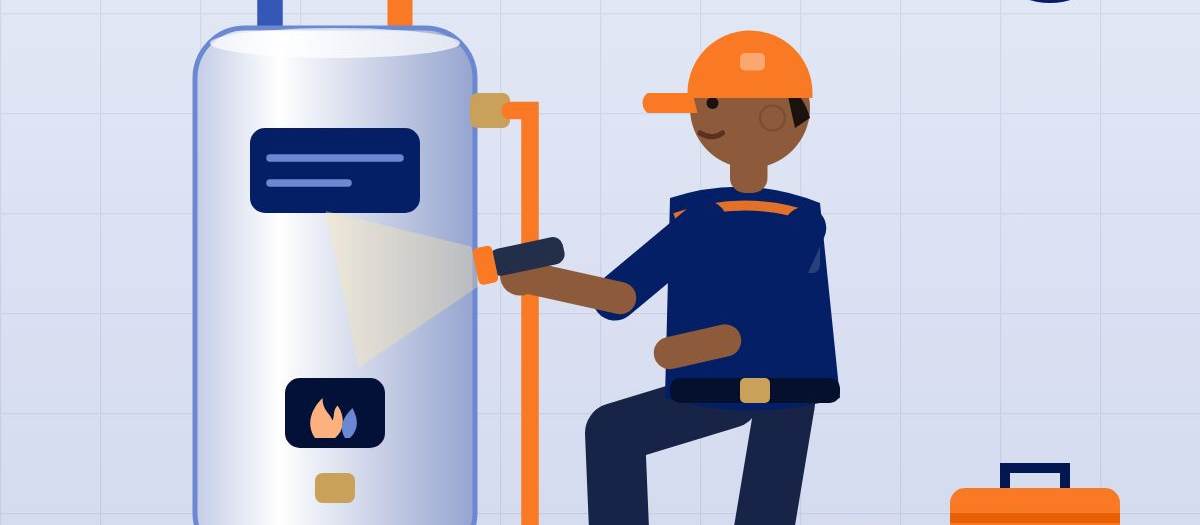
A few quick checks can save a visit or help the technician arrive with the right parts. Do not open access panels or touch wiring.
- Check more than one tap. If only one fixture is cold, the problem is probably that fixture, not the heater.
- Look at the breaker panel. For an electric heater, a tripped breaker can be reset once. If it trips again, leave it off and call.
- Look through the pilot window. On a gas heater, if the flame is out, follow the lighting instructions on the label once. If it will not stay lit, stop there.
- Check the thermostat dial. Make sure it has not been turned to vacation or the lowest setting by accident.
- Check other gas appliances. If the stove or furnace also has no gas, the issue is the supply, not the heater.
- Give it time after heavy use. After back-to-back showers, a tank needs time to recover before it can deliver hot water again.
Smell gas? Do not try to relight the pilot. Leave the house and call your gas utility or 911 from outside.
Keep notes. Write down how long hot water lasts and when the problem started. It helps narrow down the cause quickly.
What happens during a no hot water service call?
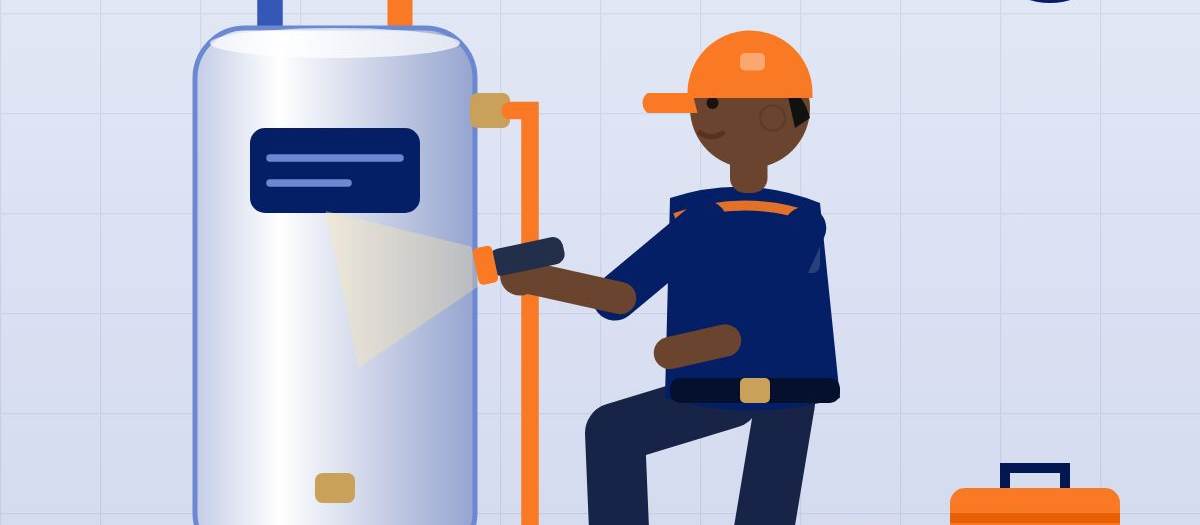
Here is how a typical visit unfolds.
- Questions first. The technician asks how the problem started, which taps are affected and how old the heater is.
- Supply and safety check. Power or gas, venting and the relief valve are checked before any parts are tested.
- Component testing. Elements, thermostats, the pilot assembly or the igniter are tested to find the failed part.
- Quote before work. You hear what failed and what the repair will cost, along with an honest view on whether repair makes sense for the age of the unit.
- Repair and confirm. The part is replaced and the heater is run through a full heating cycle to confirm hot water is back.
What affects the cost of getting hot water back?
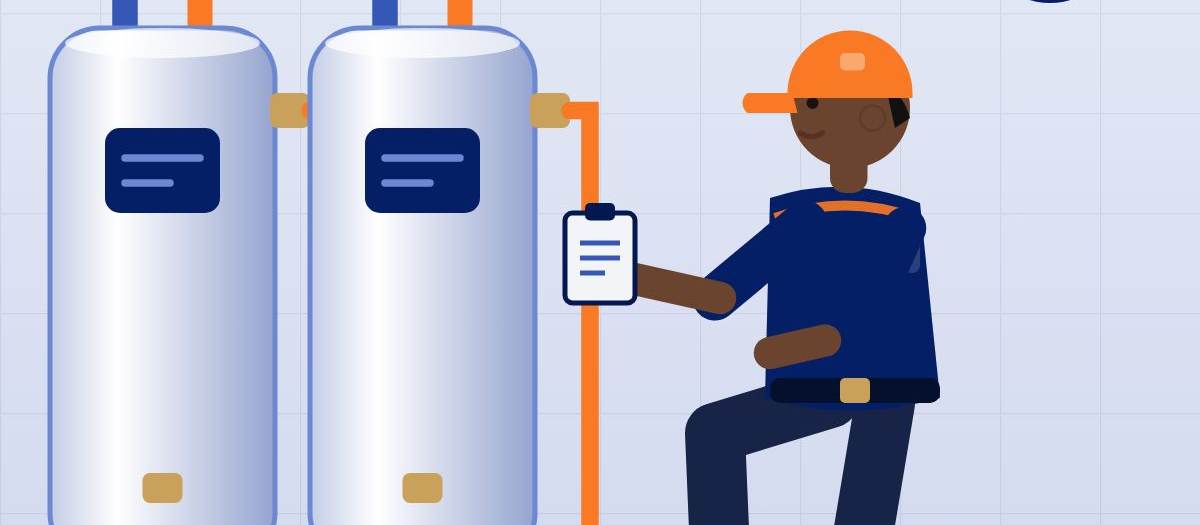
Costs vary by provider and by what has failed. These are the main factors.
| Factor | How it affects the price |
|---|---|
| Failed part | Thermocouples and elements cost less than gas controls or control boards. |
| Gas or electric | Each uses different parts and testing. |
| Tank or tankless | Tankless repairs often involve sensors, boards or descaling. |
| Age of the heater | Older units may need several parts, which can make replacement the better value. |
| Timing | After-hours and weekend calls often cost more with many providers. |
Is it worth repairing, or time to replace?
Repair usually makes sense when the heater is relatively young, the tank is dry and the failed part is a single component such as an element, thermostat or thermocouple. Replacement starts to make sense when the heater is near the end of its expected life, the tank shows rust or has started leaking, or the same problem keeps coming back.
If your household has grown and hot water runs out no matter what gets fixed, the real issue may be size. In that case, it is worth comparing options on our water heater replacement page, including a larger tank or a tankless system.
No hot water questions
Why does my hot water run out so fast?
On electric heaters, the most common cause is a failed lower heating element. On any tank, a broken dip tube or a heavy layer of sediment can do the same. If nothing is broken, the heater may be too small for how much hot water your household uses.
Why is my water only lukewarm?
Lukewarm water often points to a thermostat set too low, a failed upper element on an electric unit or a weak burner on a gas unit. Cold water mixing in through a broken dip tube can also make every tap feel lukewarm.
Why is there hot water in one bathroom but not another?
When only one fixture runs cold, the heater is usually fine. The likely cause is that fixture’s mixing valve or cartridge, which controls how much hot water reaches the tap.
How long should a water heater take to heat back up?
It depends on tank size and fuel type. Gas tanks generally recover faster than electric ones. If recovery has slowed noticeably compared with how it used to be, have it checked.
Is it worth repairing an old water heater that has no hot water?
Sometimes. A single cheap part on a dry, sound tank is often worth replacing. If the unit is older, rusty or has had several repairs, putting that money toward a new heater is usually the better decision.
Can a tankless water heater stop making hot water?
Yes. Scale buildup, low water flow, a blocked inlet filter, venting issues or a failed sensor can all stop a tankless unit from firing. Many units display an error code that helps pinpoint the cause.