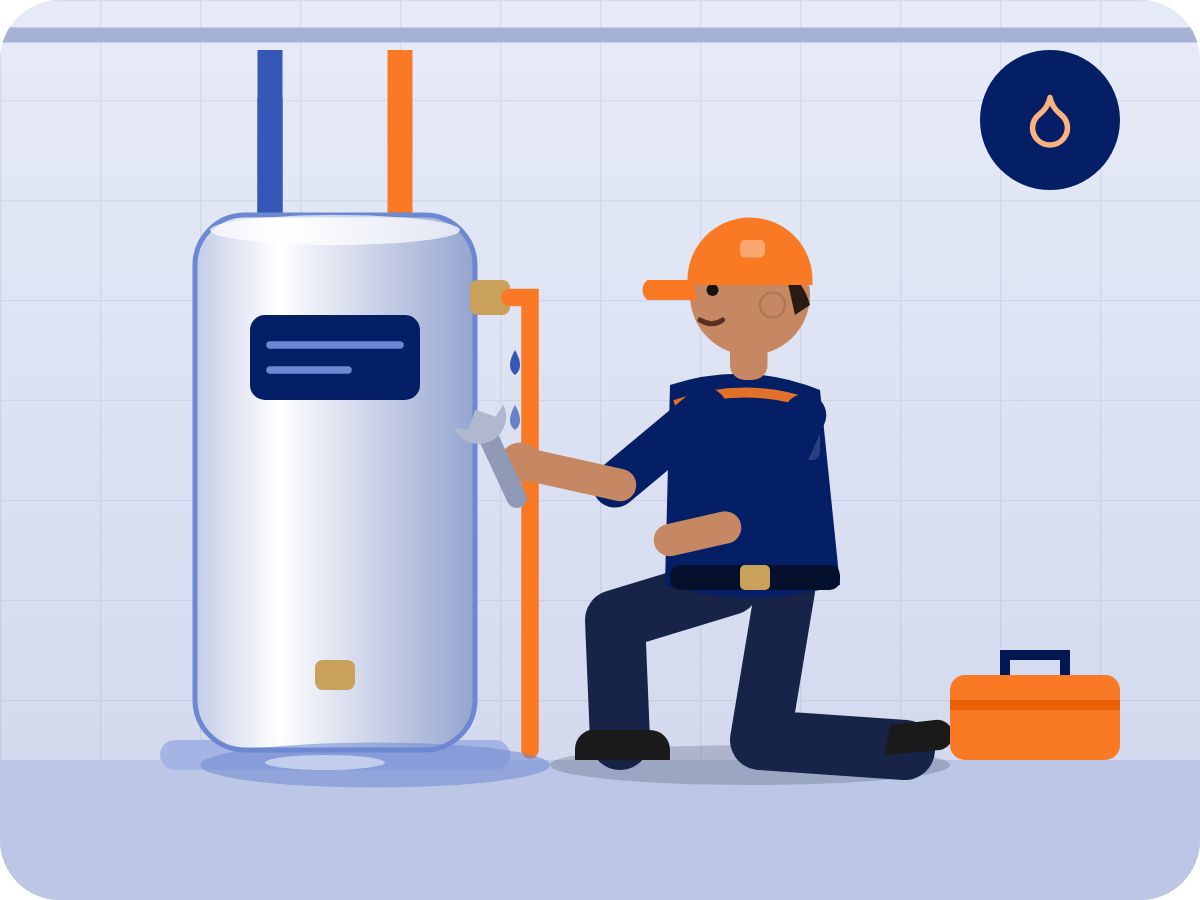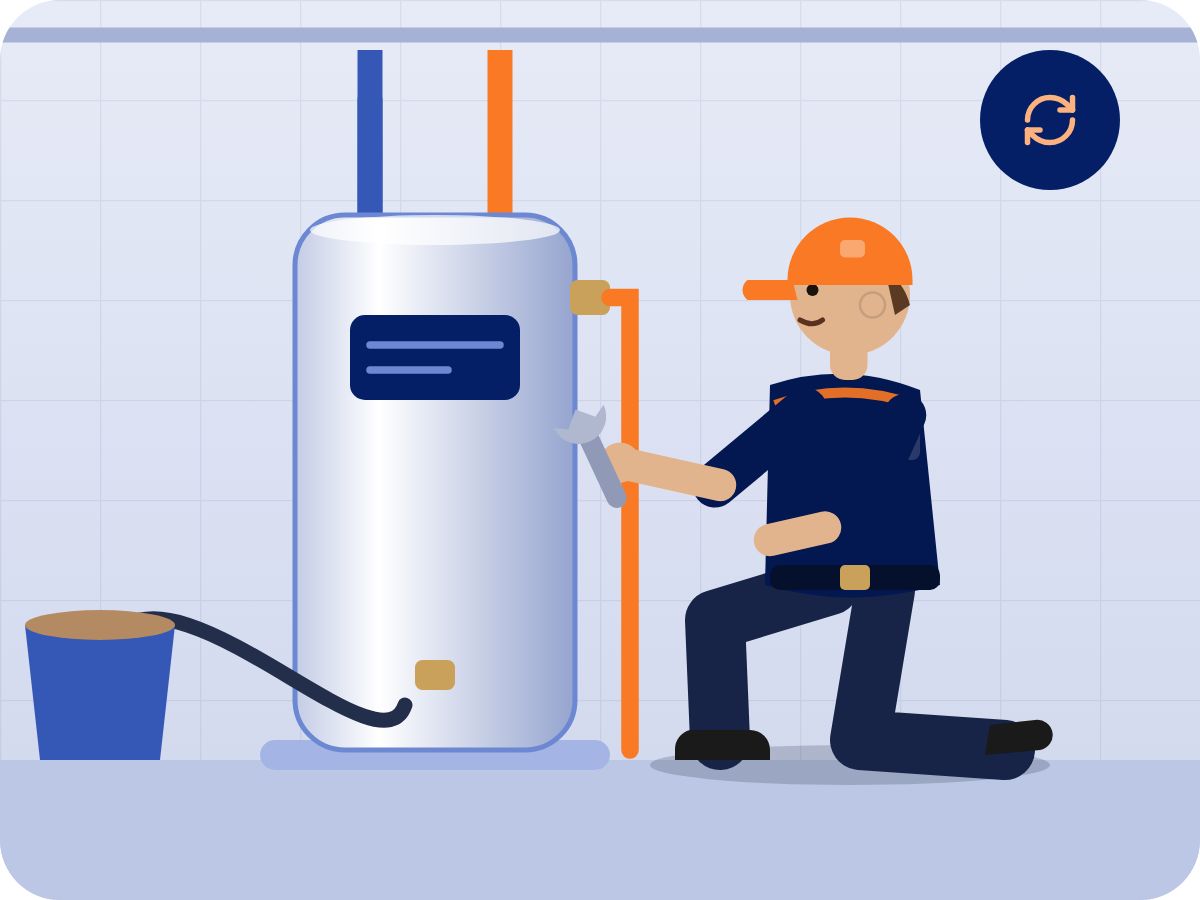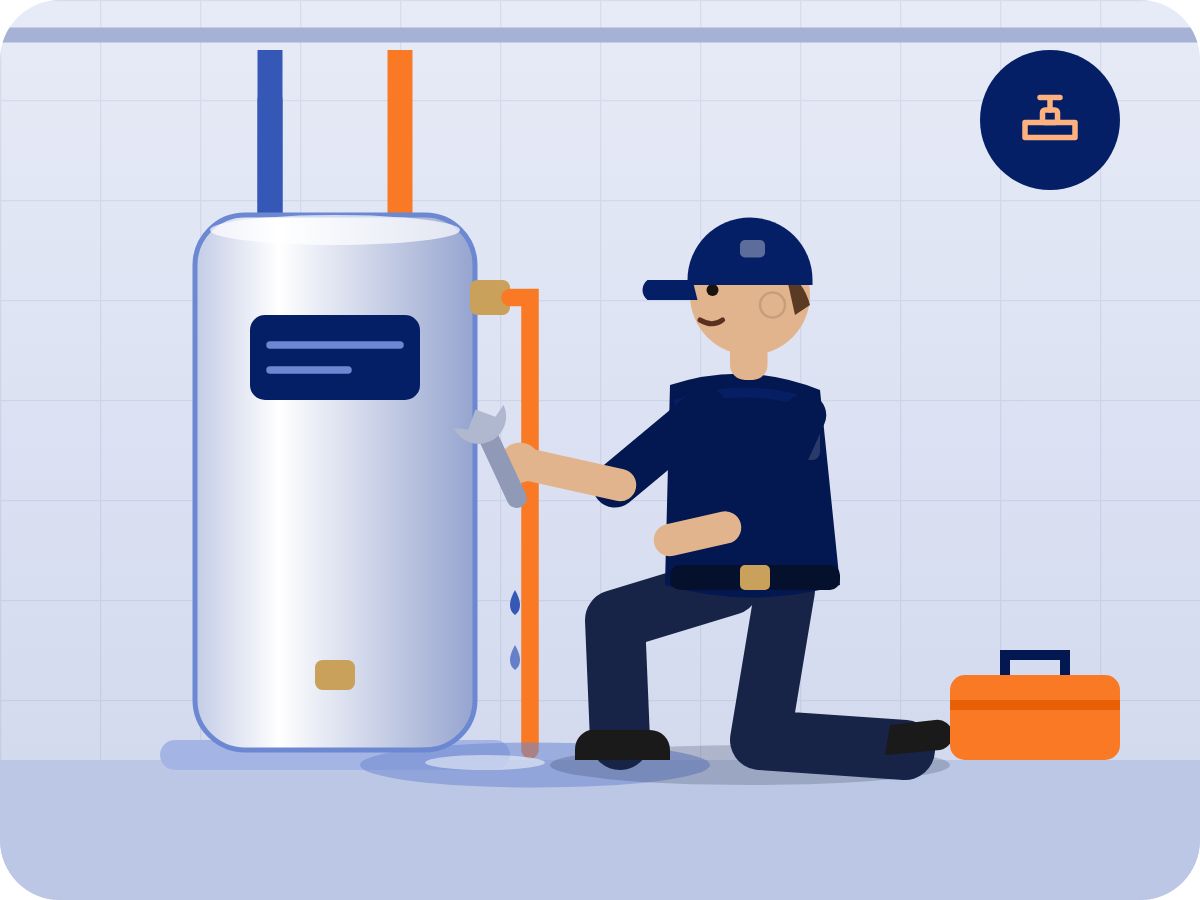
What counts as a valve or component repair?
A water heater is surrounded by small parts that do big jobs. The temperature and pressure relief valve protects the tank from over-pressure. The drain valve lets the tank be flushed and emptied. The cold-water shutoff isolates the heater. Fittings and flexible connectors join the heater to your plumbing, and on gas units a gas control valve meters fuel to the burner.
When one of these parts fails, the result often looks like a much bigger problem: water on the floor, a hissing sound or a heater that will not light. The good news is that most valve and component failures are repairable in a single visit, without replacing the heater.
This page covers those parts, what goes wrong with each and how a technician decides between a simple swap and a deeper fix. Finding the true source matters, because replacing a heater that only needed a new valve wastes a lot of money.
Which valves and components fail, and how are they fixed?
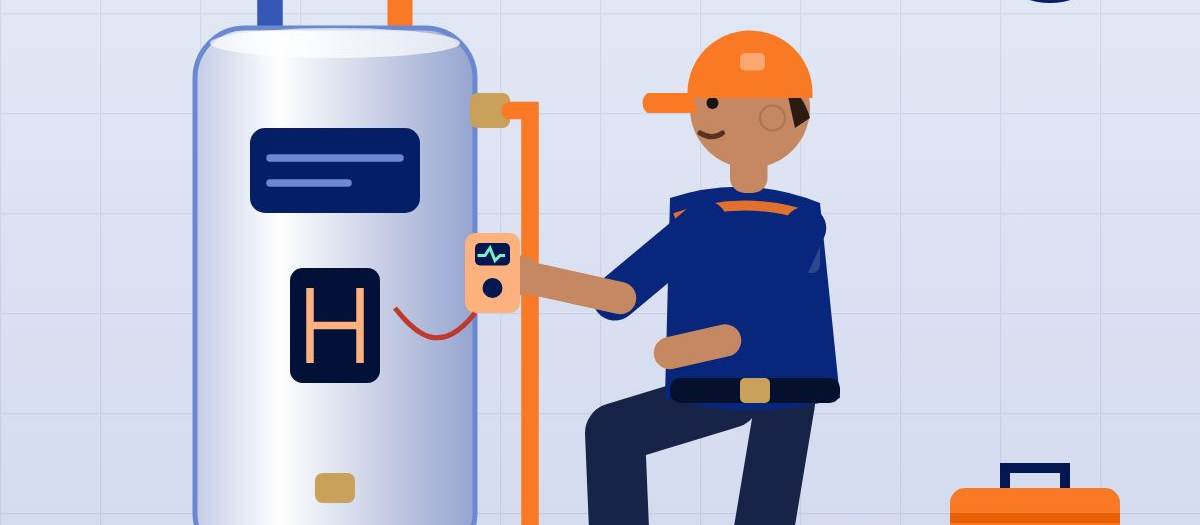
Temperature and pressure relief valve
This brass valve near the top of the tank opens automatically if pressure or temperature climbs too high. A valve that drips constantly is either worn or doing its job because something else is wrong, such as a thermostat set too high or no room for water to expand. The technician tests the valve, checks household water pressure and replaces the valve if needed. It should never be capped or plugged.
Drain valve
Many heaters ship with a plastic drain valve that becomes brittle over time. It can drip at the tip, leak around the threads or snap when someone tries to open it. A full-port brass drain valve is a common upgrade that also makes flushing easier.
Cold-water shutoff
Older gate valves seize or leak at the stem. Replacing it with a quarter-turn ball valve gives you a shutoff that works reliably in an emergency.
Fittings, nipples and connectors
Where copper pipe meets the steel tank, dissimilar metals can corrode. Crusty white or green buildup on top of the heater usually means a slow leak at a dielectric fitting or connector. These are replaced with new fittings and connectors rated for water heaters.
Gas control valve
On gas heaters, this unit houses the thermostat and controls fuel to the pilot and burner. Problems with it usually show up as heating issues rather than leaks, and are covered on our gas water heater repair page.
8 signs a valve or fitting needs attention
These point to a part around the heater rather than the tank itself.
- Dripping from the relief valve pipe. The pipe running down the side of the tank should normally be dry.
- Water at the drain valve tip. Often a worn washer or a cracked plastic valve.
- Crusty buildup on top of the tank. Minerals left behind by a slow, long-running leak.
- Hissing near the top of the heater. A fitting or the relief valve is releasing pressure.
- A shutoff valve that will not turn. It may fail exactly when you need it most.
- Rust or green corrosion on connectors. A sign of moisture and dissimilar-metal corrosion.
- Banging pipes when taps close. High pressure or water hammer stresses every valve in the system.
- A relief valve that discharged recently. Even one discharge is worth investigating.
Why do water heater valves fail?
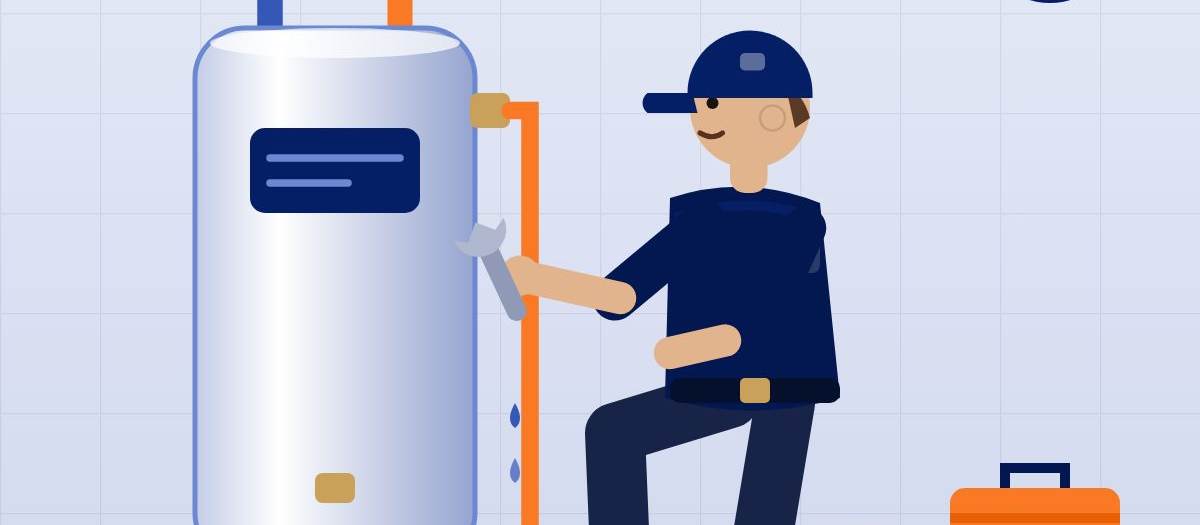
- High water pressure. Pressure above what fixtures and valves are designed for wears seats and seals faster.
- Thermal expansion. Water expands as it heats. In a closed system without an expansion tank, that pressure has nowhere to go except the relief valve.
- Hard water. Mineral deposits build on valve seats so they no longer close tightly. Much of Indiana has hard water, which makes this common.
- Age and material. Plastic drain valves and older gate valves simply wear out.
- Corrosion. Copper and steel joined without proper fittings corrode at the connection.
What you can safely check yourself
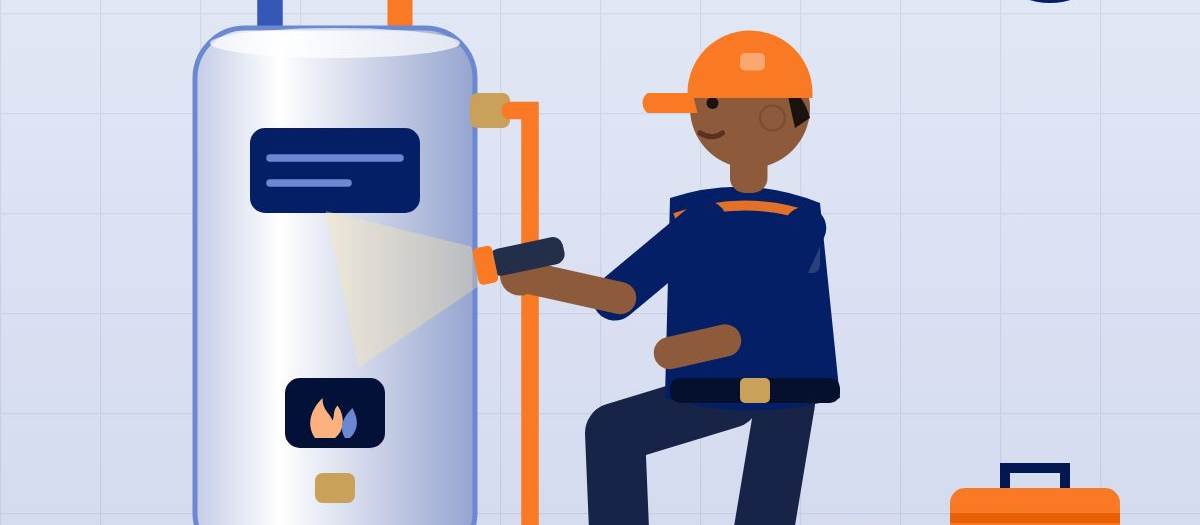
Look, listen and note. Leave the valves themselves to a technician.
- Find where the water starts. Dry the area and watch: top fittings, relief valve pipe or drain valve.
- Check the thermostat setting. A very high setting can make the relief valve open.
- Note when it happens. A relief valve that drips only after the heater runs points to expansion or pressure.
- Look for an expansion tank. It is a small tank, usually on the cold line above the heater.
- Locate the main shutoff. Know where it is in case the heater shutoff fails.
Never cap the relief valve pipe. Blocking the relief valve removes the tank's last line of defense against dangerous pressure.
Do not test an old relief valve yourself. Lifting the lever on a valve that has not moved in years can leave it dripping permanently.
What happens during a valve repair visit?
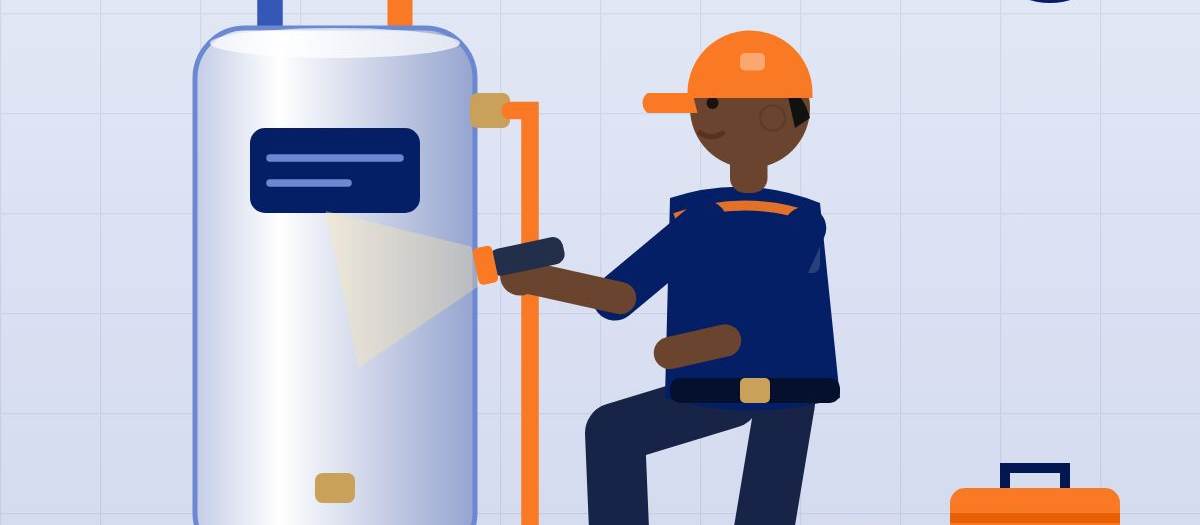
Most visits follow this pattern.
- Pressure and temperature check. A gauge on an outside faucet shows household pressure; the thermostat setting is reviewed.
- Identify the part. The leak is traced to a specific valve, fitting or connector.
- Explain the fix and price. Including whether an expansion tank or pressure regulator would prevent a repeat.
- Replace the part. Water is shut off, the heater partly drained if needed and the new part installed.
- Leak test. The heater is refilled and every joint is checked under full pressure.
What affects the cost of a valve or component repair?
| Factor | How it affects the price |
|---|---|
| Which part | Drain valves and connectors are modest; gas controls cost more. |
| Draining needed | Lower valves require partly draining the tank first. |
| Seized fittings | Corroded parts take longer to remove safely. |
| Add-ons | An expansion tank or pressure regulator adds parts and labor but prevents repeats. |
How to keep valves from failing again
Fixing the root cause matters more than the part. If pressure is high, a pressure-reducing valve protects every fixture in the home. If the system is closed, an expansion tank gives heated water room to grow. Keeping the thermostat at a sensible setting reduces stress on the relief valve.
Regular flushing and maintenance also helps, because it clears the sediment that can lodge in drain valves and keeps valve seats cleaner. If the relief valve is opening because the tank itself is failing, see our guide to tank water heater repair to judge what is left in it.
Valve and fitting questions
Is a dripping relief valve dangerous?
The drip itself is a warning, not the danger. It means the valve is worn or pressure or temperature is too high. Have it checked soon, and never block the discharge pipe.
Can I replace a water heater drain valve myself?
It involves draining a tank of hot water and working with fittings that may be corroded, so most homeowners leave it to a technician.
Do I need an expansion tank?
If your home has a check valve or pressure regulator on the main line, the plumbing is a closed system and an expansion tank is usually recommended or required.
Why is there white crust on top of my water heater?
It is usually mineral residue from a slow leak at a fitting or connector. Have it inspected before the leak grows.
How long does a valve replacement take?
Most single valve or fitting repairs are completed in one visit, often within a couple of hours.
Will a new valve stop my heater from leaking?
If the valve or fitting is the source, yes. If water is coming from the tank body, the heater needs replacing instead; see our emergency leak repair page.